The Unrecognizable Ancestors: Tracing the First Vegetables Planted on the Land
Imagine a world where corn was a scraggly grass, eggplants resembled their namesake fruit, and the beloved tomato was a feared "poison apple." Our modern perception of vegetables, often shaped by supermarket aisles and standardized farming, stands in stark contrast to their wild, ancient origins. The journey from foraging to farming, beginning roughly 10,000 years ago, was a monumental shift that laid the foundation for settled human societies and the diverse array of produce we enjoy today. This transition marked not just the birth of agriculture, but the deliberate cultivation and domestication of the first vegetables planted on the land, forever altering human diets and history.
In this article, we'll delve into the fascinating, often surprising, ancient past of some of our most common vegetables, uncovering their dramatic transformations and the pivotal role they played in shaping civilizations. From humble wild plants to essential dietary staples, these vegetables have stories far richer than their modern appearances suggest.
From Teosinte to Golden Cobs: Corn's Incredible Evolution
When we picture corn today, we envision plump, golden cobs, bursting with sweet kernels – a far cry from its wild ancestor, teosinte. This remarkable transformation is a testament to the ingenuity of Meso-American farmers, who, between 10,000 and 6,000 years ago, began the arduous process of domesticating this seemingly unassuming grass in what is now Mexico. Early teosinte cobs were minuscule, barely an inch long, yielding only about eight rows of tough, sparse kernels – roughly half the quantity of modern maize varieties.
Archaeological evidence, bolstered by modern DNA analysis, confirms that this was one of the first vegetables planted on the land with deliberate, sustained effort. These ancient cultivators weren't just planting; they were pioneering geneticists. They selectively bred over 50 distinct strains, known as landraces, each adapted to specific environmental conditions. Much like various dog breeds derived from a common wolf ancestor, these maize landraces developed unique characteristics through generations of careful selection by individual farmers.
This dedication created an incredible diversity that is still visible in traditional maize varieties today. While commercially produced corn tortillas and flours often utilize homogenized strains for consistency, the legacy of ancient landraces reminds us of the profound impact of selective breeding. To learn more about this incredible journey, explore From Wild Grass to Golden Cobs: The Evolution of Corn and More.
Beyond corn, other vegetables were also making their initial forays into cultivation. The earliest records of eggplants, for instance, date back to around 59 BC in China and parts of India, near modern-day Myanmar. These ancient eggplants, often smaller and more varied in shape than their modern counterparts, were among the first vegetables planted on the land in Asian agricultural systems, laying the groundwork for their widespread culinary use.
The "Poison Apple" Myth: Tomato's Treacherous Journey
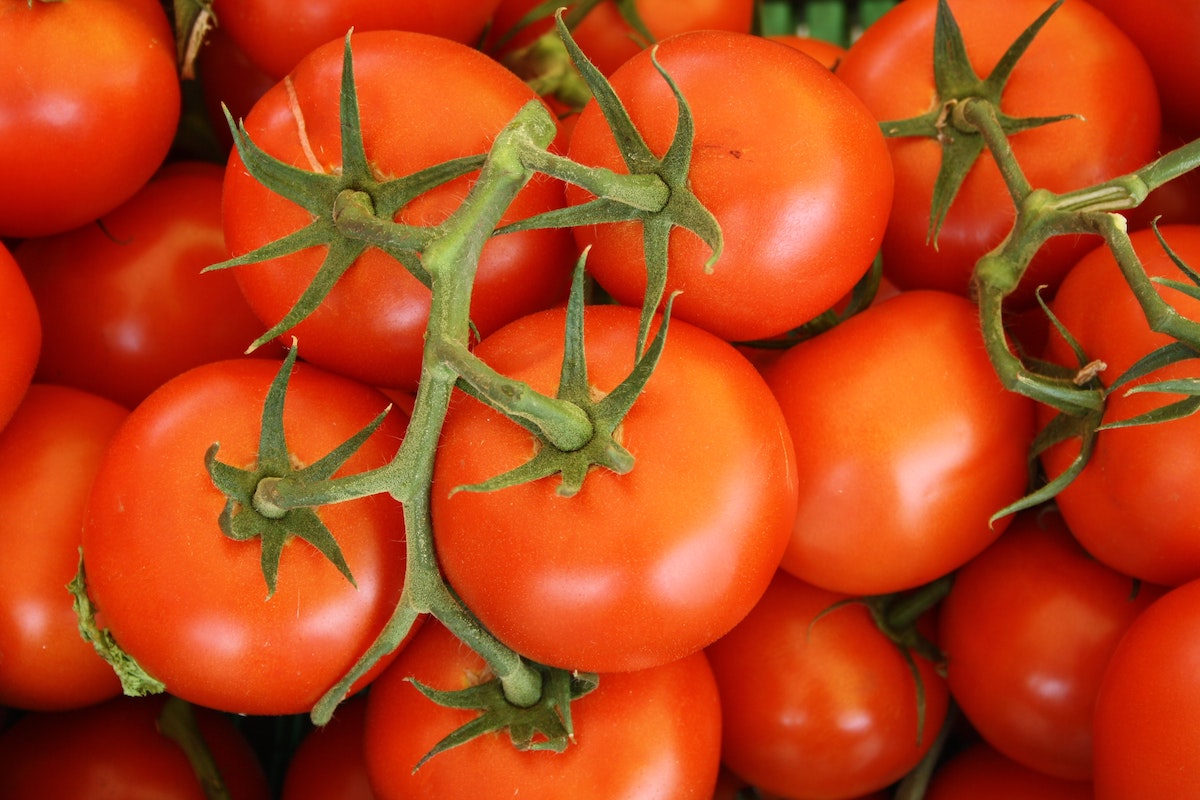
Few vegetables have a past as dramatic and misunderstood as the tomato. Today, a staple in cuisines worldwide, this juicy fruit (botanically speaking) once carried a deadly reputation that earned it the moniker "poison apple." But its story begins much, much earlier than its European infamy.
Ancient Origins: A 52-Million-Year History
Long before human hands cultivated them, the ancestors of tomatoes and tomatillos were thriving. In 2017, scientists unearthed fossils named *Physalis infinemundi* – meaning "at the world's end" – dating back an astonishing 52 million years. These ancient fossils, found in what was once the supercontinent Gondwana (connecting modern-day South America, Australia, and Antarctica), pushed back the known history of the nightshade family significantly. Prior to this discovery, evidence only traced these plants back 9 to 11 million years, highlighting just how ancient a lineage tomatoes possess.
Europe's Deadly Misunderstanding
Fast forward to the 16th century, when tomatoes made their way from the Americas to Europe. Initially, they were often grown for ornamental purposes, with many Europeans wary of consuming them. By the late 1700s, this apprehension had escalated into outright fear, fueled by a tragic misunderstanding. Wealthy European households commonly used pewter plates, which were notoriously high in lead. Tomatoes, being highly acidic, would leach lead from these plates, especially when left to sit. Unbeknownst to diners, they were slowly poisoning themselves. Many people became gravely ill, and some even died, leading to the widespread belief that tomatoes themselves were toxic.
Rumors of the "poison apple" spread like wildfire, solidifying the tomato's dangerous reputation across the continent. This cautionary tale serves as a stark reminder of how scientific ignorance, combined with existing superstitions, can shape perceptions of food for centuries. It also highlights the importance of understanding the chemistry of food and its containers.
Colonial Confusion and Eventual Acclaim
Across the Atlantic, in the British North American Colonies, opinions on the tomato were equally divided. While some settlers, perhaps familiar with Indigenous culinary practices, were early adopters, integrating tomatoes into their diets as early as the 1700s, others were swayed by the European fears. Tales of tomatoes being "poisonous as a rattlesnake" circulated, creating a climate of suspicion.
However, the tide eventually turned. By the 1850s, the tomato had undergone a dramatic PR transformation. Its versatility, vibrant flavor, and increasing availability led to a surge in popularity. So ubiquitous and beloved did it become that farmers even began associating their other edible crops with the tomato, a testament to its newfound, positive reputation. From a feared fruit to a culinary star, the tomato's journey underscores the power of cultural shifts and the eventual triumph of taste over misinformation.
Beyond the Fable: The Enduring Legacy of Ancient Cultivation
The domestication of the first vegetables planted on the land represents one of humanity's greatest achievements. This shift from a nomadic foraging lifestyle to settled agricultural societies around 10,000 years ago laid the bedrock for civilization as we know it. It wasn't just about survival; it was about shaping environments, understanding plant biology, and developing sustainable food systems.
Pioneer Farmers and Their Staple Vegetables
Ancient civilizations around the globe were pioneers in cultivating diverse vegetable gardens, adapting their choices to local climates and geography. In ancient Egypt, for instance, vegetables like garlic, onions, and leeks were not only dietary staples but also held symbolic significance, believed to impart strength and health. These were among the first vegetables planted on the land with such reverence and systematic approach.
Similarly, the Mesopotamians cultivated a variety of legumes, including lentils, peas, and chickpeas, which provided vital protein and sustenance to their growing populations. The advanced agricultural practices of the Indus Valley civilization also showcased a wide array of vegetables, from eggplants to spinach, demonstrating a sophisticated understanding of plant growth and dietary diversity. These early agriculturalists understood the principles of crop rotation and water management, creating resilient food systems that fed millions for millennia. To explore how these ancient cultures managed their food production, read more about First Gardens: How Ancient Civilizations Grew Staple Vegetables.
Modern Relevance and Practical Tips
Understanding the tumultuous past of our vegetables offers valuable lessons for today. The journey from wild teosinte to modern corn, or the tomato's escape from its "poison apple" reputation, highlights the incredible impact of human intervention and the power of knowledge.
- Embrace Diversity: Seek out heirloom varieties of vegetables. Many retain characteristics closer to their ancient landrace ancestors, offering unique flavors and preserving genetic diversity that commercial homogenization often overlooks.
- Appreciate the Process: When you enjoy a perfectly ripe tomato or a grilled ear of corn, take a moment to consider the millennia of cultivation and the untold generations of farmers who worked to bring it to your plate.
- Grow Your Own: If possible, try growing some of your own vegetables. This direct connection to the soil fosters an appreciation for the effort involved and the cycles of nature, much like our ancient ancestors experienced.
- Know Your Food's Story: Researching the origins of your favorite foods can deepen your culinary experience and connect you to a vast historical tapestry.
Conclusion
The story of the first vegetables planted on the land is a testament to human ingenuity, perseverance, and adaptability. From the dramatic transformation of a wild grass into golden corn to the scandalous reputation and eventual redemption of the "poison apple" tomato, each vegetable carries a rich narrative of survival, domestication, and cultural significance. Understanding this complex past not only enriches our appreciation for the food on our plates but also connects us to the ancient farmers who, through trial and error, laid the groundwork for modern agriculture, forever changing the course of human history.
