First Gardens: How Ancient Civilizations Grew Staple Vegetables
Imagine a world where the vibrant, familiar produce in our grocery stores was utterly alien. A time when a corn cob bore little resemblance to its golden, plump modern counterpart, and what we know as an eggplant might have been mistaken for, well, an actual egg. This was the reality for ancient civilizations, whose ingenuity and perseverance laid the foundation for our food systems. The journey from wild forage to cultivated staple is a testament to human innovation, marking the very beginning of agriculture and the fascinating story of the first vegetables planted on the land.
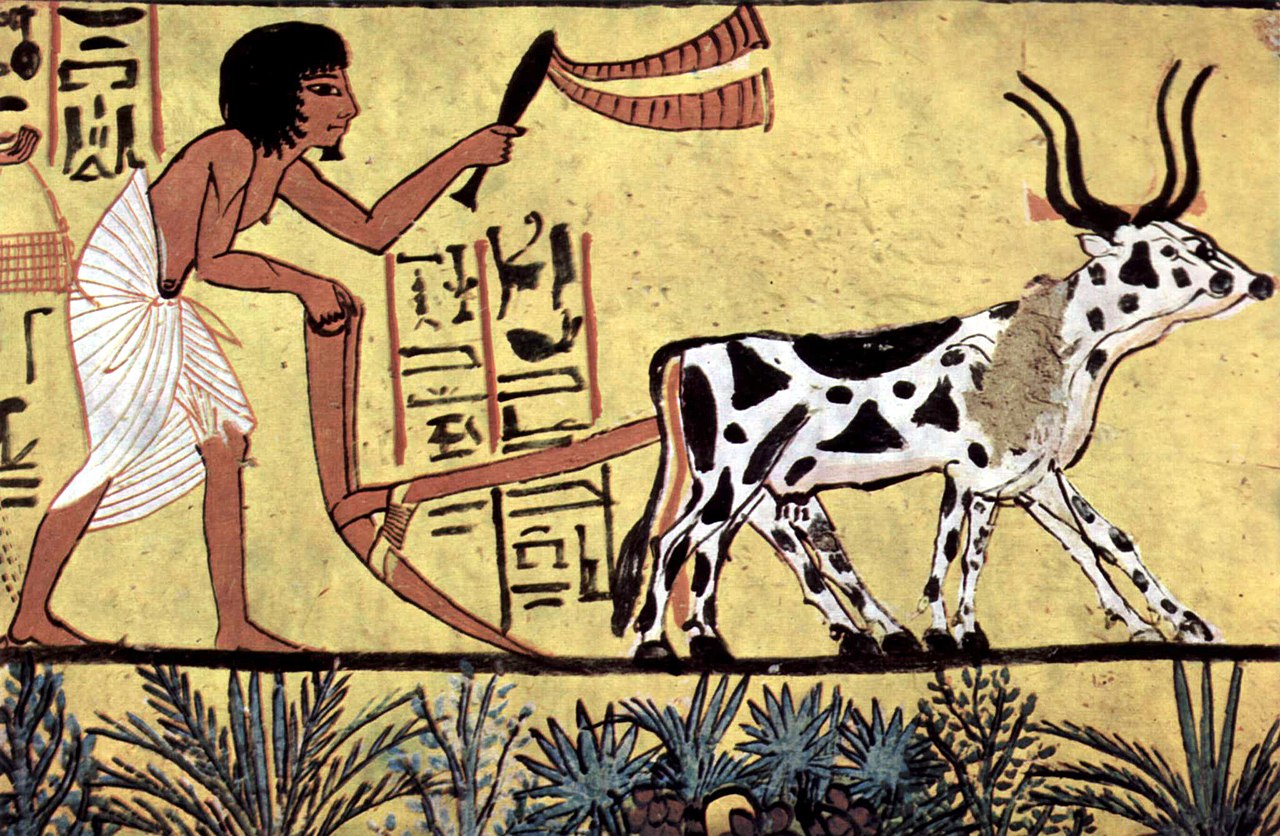
For thousands of years, humans relied on hunting and gathering, a precarious existence dependent on the whims of nature. But around 10,000 years ago, a monumental shift occurred: the agricultural revolution. This pivotal transition transformed transient hunter-gatherer communities into settled societies, ushering in an era where humans actively shaped their environment to cultivate food. It was during this period that the first deliberate gardens emerged, not merely as sources of sustenance but as cornerstones of civilization, dictating where people lived, how they organized, and what they believed.
The Dawn of Agriculture: Nurturing Life from the Earth
The domestication of plants was a gradual process, driven by necessity and observation. Early farmers identified wild plants with desirable traits – larger fruits, easier harvesting, better yields – and began to intentionally cultivate them. This selective breeding, often unwitting at first, slowly transformed wild species into the recognizable (or in some cases, barely recognizable) ancestors of today's crops. The types of vegetables that flourished were, understandably, deeply influenced by local climates and geographical features, leading to diverse agricultural traditions across the globe.
In the fertile crescent of Mesopotamia, ancient farmers were cultivating legumes like lentils, peas, and chickpeas, which provided vital protein and sustenance for their burgeoning populations. These resilient crops became fundamental components of their diet, fueling the development of complex city-states. Across the Nile, ancient Egyptians revered vegetables such as garlic, onions, and leeks, incorporating them into both their daily meals and their spiritual beliefs, convinced of their health-enhancing and strengthening properties. Further east, the sophisticated agriculturalists of the Indus Valley Civilization were already growing a wide array of produce, including the ancestors of modern eggplants and spinach. These early farming endeavors highlight not just the birth of agriculture, but the profound cultural and economic importance that vegetables quickly assumed in human societies.
Maize: A Golden Legacy from Mesoamerica
Perhaps one of the most astonishing transformations in agricultural history belongs to maize, or corn. The story of maize begins not with a towering stalk crowned with golden cobs, but with a humble wild grass called teosinte. Its ancient cobs were minuscule, typically yielding only about eight rows of kernels – a far cry from the bountiful varieties we enjoy today. Yet, this unassuming grass held immense potential, a potential that Mesoamerican farmers began to unlock between 10,000 and 6,000 years ago in what is now Mexico.
These ancient agriculturalists were masters of selective breeding. Over millennia, they meticulously coaxed teosinte into over 50 distinct strains, known as landraces. These landraces, much like different dog breeds, were specifically adapted to varied environmental conditions, from arid plains to humid highlands. This dedication to local adaptation explains the incredible diversity still found in traditional maize varieties today. Around 4,300 years ago, maize had cemented its place as a cornerstone staple food in Central America, sustaining entire civilizations. While modern commercial corn tortillas and flours often come from homogenized strains, the legacy of these ancient landraces lives on, reminding us of the intricate relationship between human ingenuity and natural selection. To delve deeper into this incredible transformation, explore From Wild Grass to Golden Cobs: The Evolution of Corn and More.
The Tomato's Treacherous Journey: From Wild Fruit to Kitchen Staple
The tomato, now a ubiquitous ingredient in cuisines worldwide, endured a particularly tumultuous journey to widespread acceptance. Its ancient lineage stretches back an astonishing 52 million years, evidenced by fossils of its wild ancestor, Physalis infinemundi – meaning "at the world's end" – discovered in what were once connected landmasses of South America, Australia, and Antarctica. While its wild relatives thrived for eons, the cultivated tomato's road to European tables was fraught with suspicion and danger.
When tomatoes finally made their way to Europe, they were initially viewed with apprehension. By the late 1700s, this "love apple" had acquired a notorious reputation, particularly among the wealthy. The culprit? Lead poisoning. Affluent European households commonly dined on pewter plates, which were high in lead. Tomatoes, being highly acidic, would leach lead from these plates when served, causing severe illness and even death. This tragic misunderstanding led to the widespread belief that tomatoes themselves were poisonous, earning them the moniker "poison apple." Rumors spread rapidly, crossing the Atlantic to the British North American Colonies, where opinions on the peculiar fruit remained divided for decades. Despite early adopters, it wasn't until the mid-1800s that the tomato shed its infamous past and blossomed into the beloved culinary staple it is today. For a more detailed look at this fascinating history, read The "Poison Apple": Unearthing Tomato's Tumultuous Ancient Past.
Beyond the Big Three: Other Ancient Garden Gems
While corn and tomatoes offer dramatic tales of domestication and acceptance, countless other vegetables were instrumental to ancient diets. Take the eggplant, for instance. Its earliest records trace back to ancient China around 59 BC and also to regions near modern-day Myanmar. Its history showcases a rich diversity of varieties, a clear indication of its long cultivation and adaptation by different cultures across Asia.
From the robust garlic, onions, and leeks that powered Egyptian laborers and graced pharaohs' tables, to the protein-rich lentils, peas, and chickpeas that formed the backbone of Mesopotamian and Indus Valley diets, these ancient garden gems continue to nourish us. Spinach, with its origins in ancient Persia and later cultivated in the Indus Valley, has consistently provided essential nutrients throughout history. These examples underscore the incredible foresight of early farmers, who not only selected the first vegetables planted on the land but also inadvertently ensured their enduring legacy for future generations. Their choices laid the groundwork for the immense variety and nutritional richness of our modern diets.
Lessons from the Past: Cultivating a Connection to Ancient Agriculture
The stories of the first vegetables planted on the land offer more than just historical intrigue; they provide valuable lessons for contemporary agriculture and gardening. Ancient farmers, through generations of keen observation and adaptive practices, mastered the art of working with nature, not against it. They understood the importance of selecting plants that thrived in specific local conditions, leading to the development of resilient, environmentally adapted landraces.
What can we glean from these primeval gardeners?
- Embrace Biodiversity: Just as ancient farmers cultivated numerous maize landraces, consider growing a variety of crops, including heirloom and open-pollinated seeds that offer genetic diversity and often greater resilience to local pests and diseases.
- Respect Local Conditions: Understand your soil, climate, and water availability. Choosing plants suited to your environment, much like ancient Egyptians selected vegetables for their climate, minimizes the need for excessive interventions and promotes sustainable growth.
- Selective Breeding in Your Own Garden: While you might not be domesticating a new species, saving seeds from your strongest, most productive plants each year is a simple form of selective breeding that strengthens your garden's adaptability over time.
- Appreciate the Journey: Every fruit and vegetable on our plates has a rich history. Taking a moment to understand its origins deepens our connection to the food we eat and the incredible human effort that went into its development.
Conclusion
The journey from wild plant to domesticated staple is a remarkable testament to human innovation and perseverance. The first vegetables planted on the land were not merely sources of sustenance; they were the catalysts for civilization, shaping cultures, economies, and societies across the globe. From the unrecognizable teosinte that became golden maize, to the "poison apple" that transformed into the beloved tomato, and the diverse array of legumes and greens that nourished ancient empires, these plants tell a story of incredible transformation. Understanding this agricultural heritage not only connects us to our past but also inspires us to cultivate a more resilient, diverse, and sustainable future for our food systems. So, the next time you enjoy a fresh vegetable, pause to consider the thousands of years of human endeavor that brought it from the wild to your plate.
