From Wild Grass to Golden Cobs: The Remarkable Evolution of Our Earliest Cultivars
Imagine biting into a cob of corn that looks nothing like the sweet, plump kernels we adore today. Or perhaps encountering an eggplant that genuinely resembles a white hen's egg. The truth is, many of the first vegetables planted on the land by our ancient ancestors would be virtually unrecognizable to modern eyes. This journey, from wild, often unassuming plants to the cultivated powerhouses that sustain billions, is a testament to human ingenuity and millennia of dedicated farming. Let's delve into the fascinating stories behind some of the most iconic vegetables and how they transformed from their humble origins.
The Astonishing Transformation of Corn: From Teosinte Grass to Golden Cobs
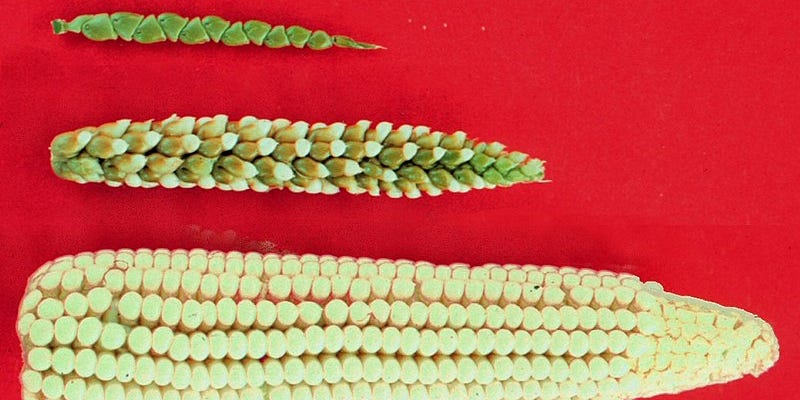
Perhaps no other vegetable exemplifies this dramatic evolution more than corn. What we picture today as glorious, golden cobs, bursting with juice, bears little resemblance to its ancient ancestor: a wild grass known as teosinte. Originating in Mexico, archaeological and modern DNA evidence suggests maize (corn) was domesticated sometime between 10,000 and 6,000 years ago.
The transformation was nothing short of miraculous. Ancient teosinte cobs were tiny, often no bigger than a thumb, and produced only a single, meager row of kernels. Contrast this with modern maize, which boasts cobs easily eight times larger and typically yields around eight rows, sometimes even double that. This incredible metamorphosis wasn't an accident; it was the result of diligent and strategic efforts by Meso-American farmers.
These early agriculturalists, beginning as early as 4,300 years ago in Central America, became master plant breeders. They selectively domesticated over 50 distinct strains of maize, known as landraces. Much like dog breeds, each landrace was coaxed and adapted by individual farmers to thrive in specific environmental conditions – a practice that explains the rich diversity found in traditional landraces even today. While most commercially produced corn products now use homogenized varieties, the legacy of these ancient farmers lives on in the spirit of preserving unique heirloom strains. Their pioneering work laid the foundation for corn to become a global staple, a cornerstone of countless diets and economies.
Practical Tip: Explore Heirloom Corn Varieties
If you're a home gardener or a culinary enthusiast, seek out heirloom corn seeds. These varieties are often descendants of traditional landraces and offer a stunning array of colors, textures, and flavors far beyond the standard sweet corn. They connect you directly to the agricultural history of the first vegetables planted on the land.
The "Poison Apple" and Other Ancient Delights: The Saga of Tomatoes and Eggplants
The story of many first vegetables planted on the land is often fraught with twists, turns, and even dangerous misunderstandings. Take the tomato, for instance. Long before it graced Italian sauces or summer salads, its lineage stretches back an astonishing 52 million years, evidenced by fossils named Physalis infinemundi – meaning "at the world's end" – found when South America, Australia, and Antarctica were still connected.
Like corn, tomatoes were first domesticated in Mesoamerica. However, their journey to Europe was anything but smooth. Arriving in the 16th century, the tomato faced a formidable reputation as the "poison apple." This infamous label wasn't due to the plant itself, but rather a tragic interaction with common kitchenware of the time. Wealthy European households often used pewter plates, which were high in lead. Tomatoes, being highly acidic, would leach lead from these platters, causing severe illness and even death. Misunderstanding the true cause, the fruit itself was blamed, and rumors spread like wildfire. To delve deeper into this fascinating and perilous past, read The "Poison Apple": Unearthing Tomato's Tumultuous Ancient Past.
Even in the British North American Colonies, debates raged, with some fearing tomatoes were "poisonous as a rattlesnake." Yet, a few brave early adopters championed the fruit. By the 1850s, its popularity had surged to such an extent that associating other crops with the tomato became a marketing boon.
Eggplants also have a rich and ancient lineage. Early records trace their cultivation back to China around 59 BC and India, near modern-day Myanmar. The ancient eggplant was a far cry from the deep purple, elongated varieties we know today, often resembling small, white, egg-shaped fruits – hence the name. Their long history of cultivation across diverse regions speaks to their adaptability and importance as one of the significant first vegetables planted on the land in various Asian cultures.
Beyond the Unrecognizable: Humanity's First Gardens and Staple Vegetables
The advent of agriculture around 10,000 years ago marked one of humanity's most profound shifts, transitioning from nomadic foraging to settled societies. This transformation gave rise to the very concept of the "first vegetable gardens" – deliberate cultivation of wild plants. For a more in-depth look at this pivotal era, explore First Gardens: How Ancient Civilizations Grew Staple Vegetables.
These early vegetable gardens were cornerstones of emerging civilizations. In ancient Egypt, staple foods like garlic, onions, and leeks were not only dietary essentials but also believed to bestow strength and health. The Mesopotamians, situated in the fertile crescent, cultivated lentils, peas, and chickpeas, which became vital protein sources in their daily diets. Farther east, the advanced agricultural practices of the Indus Valley civilization supported the growth of a wide array of vegetables, including eggplants and spinach. The types of vegetables thriving in these ancient societies were heavily influenced by local climate and geography, a testament to early farmers' keen understanding of their environment.
Preserving the Legacy: Why Ancient Varieties Still Matter Today
The journey of the first vegetables planted on the land is more than just a historical curiosity; it holds vital lessons for modern agriculture and food sustainability. Traditional landraces and heirloom varieties, the direct descendants of these ancient crops, represent a vast genetic library. This biodiversity is crucial for:
- Genetic Resilience: Ancient varieties often possess natural resistance to pests, diseases, and adverse environmental conditions, attributes that modern, highly uniform commercial crops may lack.
- Unique Flavors and Nutrition: Many heirloom vegetables boast complex flavor profiles and potentially different nutritional compositions than their conventional counterparts, offering a richer culinary experience.
- Food Security: Preserving these diverse genetic resources provides a crucial safeguard against monoculture failures and climate change, ensuring a wider gene pool for future crop development.
By understanding and supporting the cultivation of these ancient strains, we honor the legacy of those pioneering farmers who first tamed the wild world, turning humble grasses and bitter fruits into the nutritious staples we cherish.
Conclusion
From the wild teosinte grass to the majestic golden cobs, from the "poison apple" of European fear to the beloved fruit of today, the evolution of the first vegetables planted on the land is a magnificent saga of human interaction with nature. It's a story of patience, observation, selective breeding, and the relentless pursuit of sustenance. Each time we enjoy a meal, we're not just tasting food; we're participating in a lineage that stretches back millennia, connecting us to the ingenious hands that first planted seeds and transformed our world, one vegetable at a time.
